Why “eating normally” isn’t working anymore
Today, eating “normally” can still leave people feeling tired, inflamed, and off track—because much of the modern food supply is shaped by mass production, long shelf life, and cost-cutting. Heavy pesticide use, highly processed ingredients, and constant experimentation in how food is grown and manufactured can reduce overall food quality and make it harder to consistently eat well. Fitlife Goals is here to help you get back to simpler, more traditional patterns of eating—focusing on whole foods your body is more likely to recognize and use well. When everyday choices shift toward ultra-processed, adulterated, or low-quality foods, it can impact energy, strength, and long-term health. Our goal is to educate you and help you build a realistic plan you can stick to.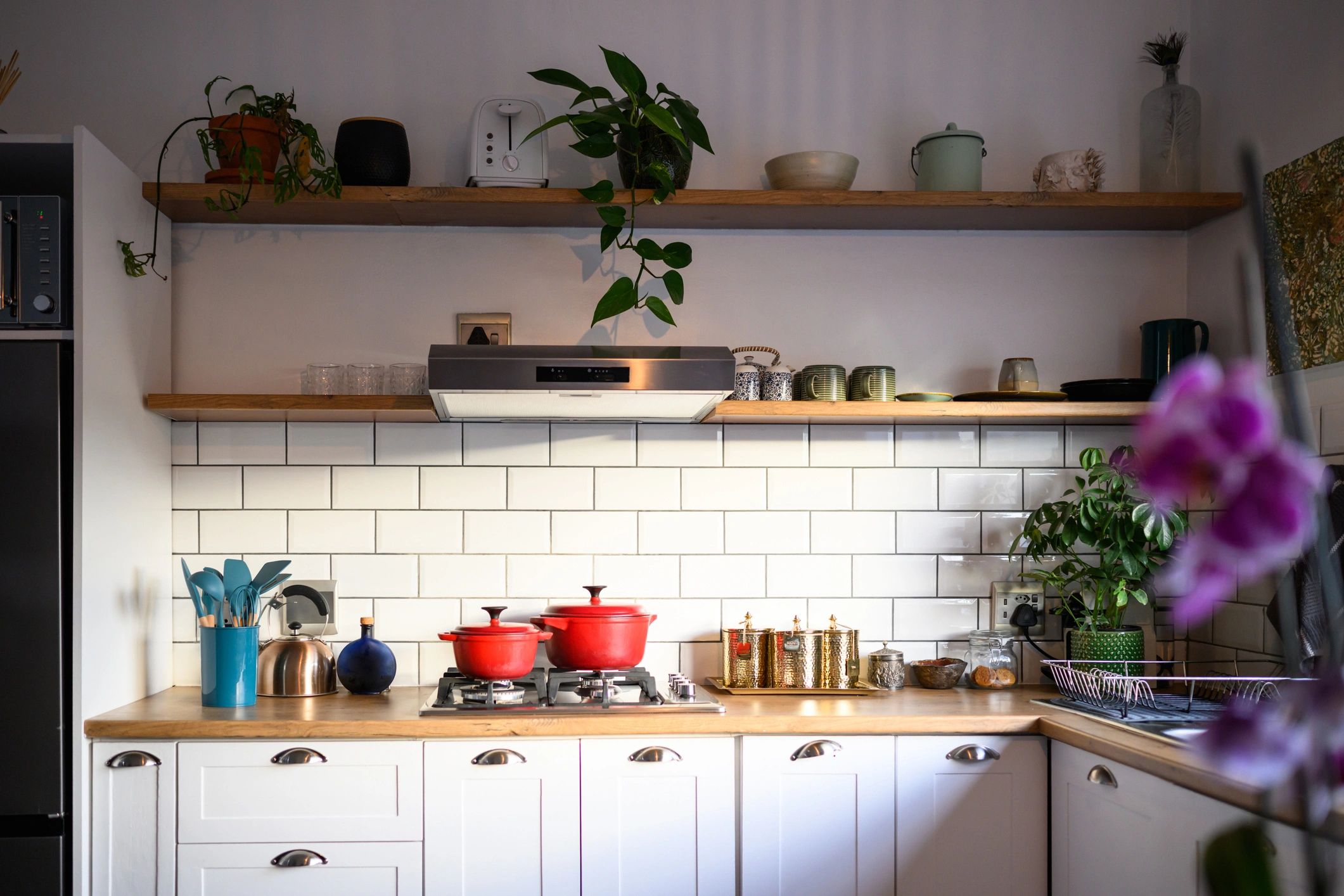
What Fitlife Goals helps you do
- Learn healthier foods without getting overwhelmed—simple, whole-food patterns you can repeat.
- Build healthier habits (sleep, exercise, stress management) in a way that fits real life.
- Budget for your goals so your grocery cart and routine stay consistent all month.
The simple framework: Quality + Consistency + Cost
Most plans fail for one of three reasons: the food quality isn’t great, the routine is too complicated to repeat, or the cost doesn’t match your month-to-month reality. Fitlife Goals combines all three so you can make progress without the “start over Monday” cycle.1) Quality: choose foods your body can use
Start with a short “default list” you can rely on. You don’t need perfection—just a consistent base.- Proteins: eggs, chicken, fish, beans/lentils, Greek yogurt
- Carbs: oats, rice, potatoes, whole-grain bread (as tolerated)
- Fats: olive oil, avocado, nuts/seeds
- Produce: a few go-to fruits + vegetables you’ll actually eat
- Flavor: garlic, onions, herbs, salsa, lemon, vinegar
2) Consistency: build a routine you can repeat
Consistency comes from reducing decisions. Pick a few repeatable meals, set a shopping rhythm, and keep your habits small enough to sustain.- Meal rhythm: 2–3 “anchor meals” you repeat weekly
- Prep window: one short prep session (30–60 minutes) to make weekdays easier
- Habit stack: attach one habit to an existing cue (after coffee → 10-minute walk)
3) Cost: plan your month so you don’t fall off mid-month
A realistic budget removes the stress that pushes people back to convenience foods. The goal isn’t “spend the least”—it’s to spend in a way that supports your energy, strength, and long-term health.If your plan doesn’t fit your budget, it won’t last.
Try the Budget Planner Quiz (what you’ll get)
Below, start the Budget Planner Quiz to get a monthly budget breakdown and a goal-based grocery list tailored to your needs.The quiz categories
- Personal Data (BMI-related, water intake, eating habits, food preferences, meal timing, diabetes, age, blood pressure, etc.)
- Family Data (how many people in your household, dependents, ages, etc.)
- Financial Stability & Daily Routine (income comfort level, schedule, and stress check)
- Bad Habits Checkpoints (habits and consistency)
- Self Goals & Self Motivation (your goal, timeline, and motivation level)