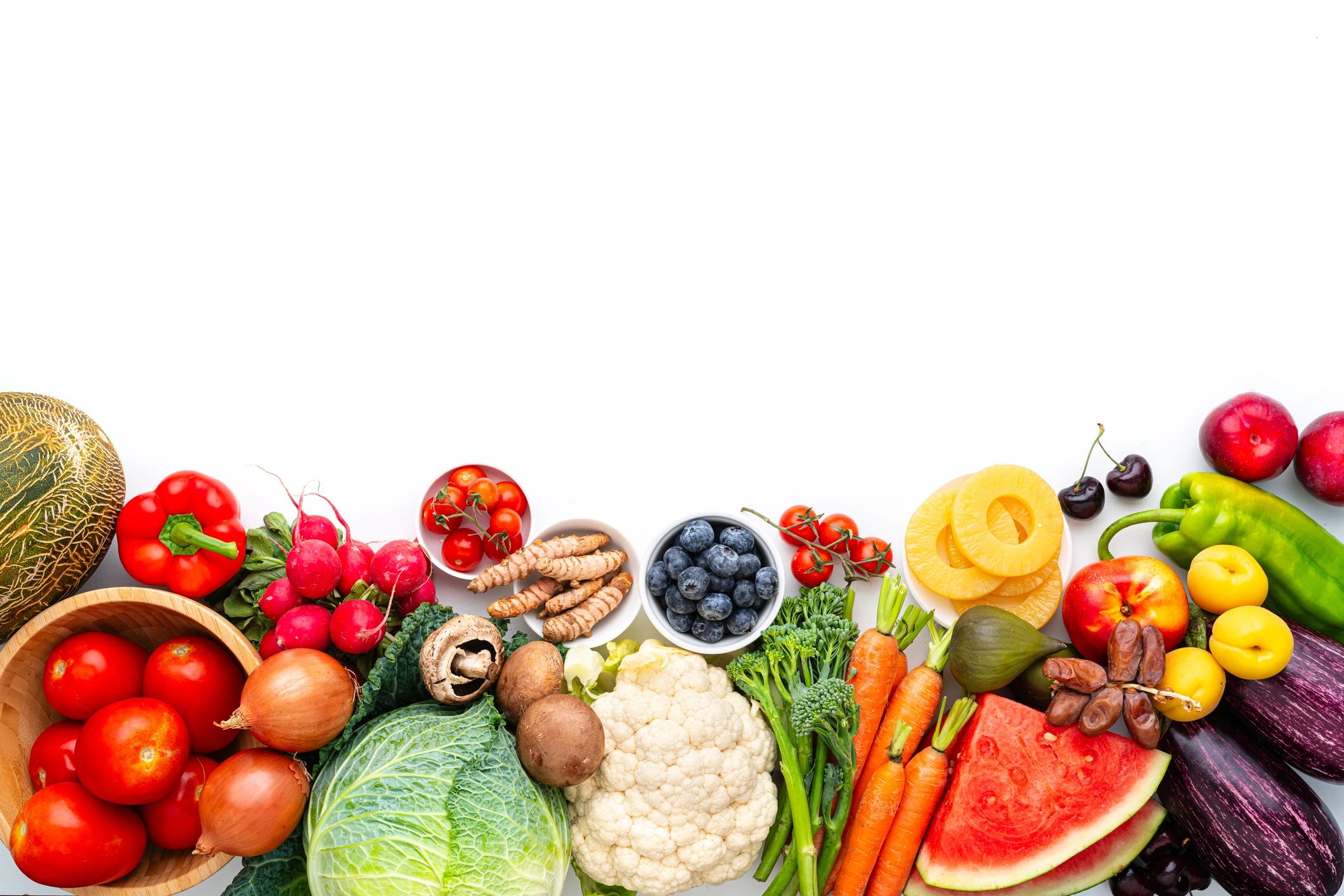
Healthy foods
Eat simpler, feel better
Learn how to build meals around whole foods, spot ultra-processed traps, and create a grocery routine that supports your goals—without blowing your budget.
Start here
What “healthy” means at Fitlife Goals
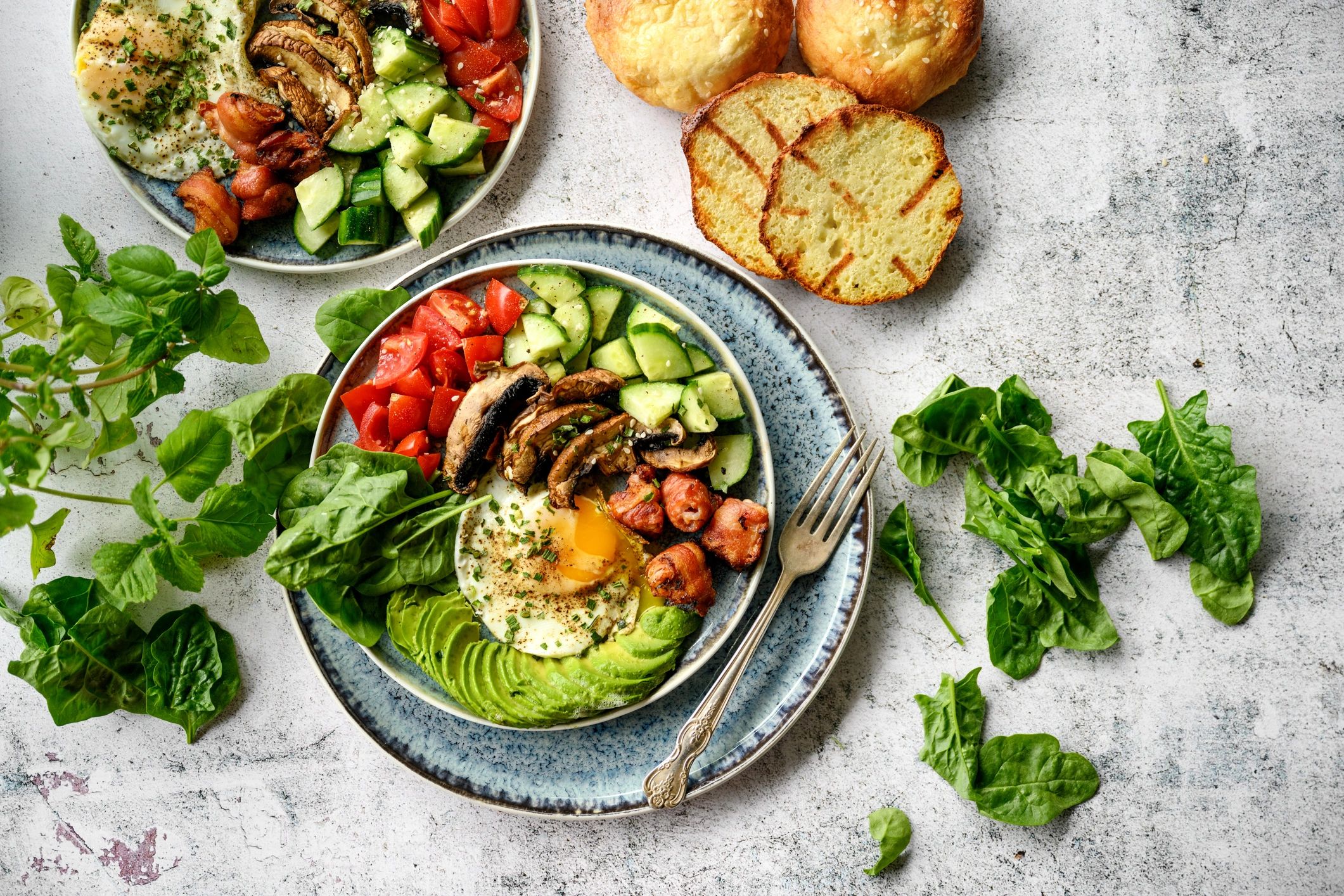
Guides
Explore healthy eating topics
Use these guides to make better choices in the real world—at the store, at home, and on busy weeks.
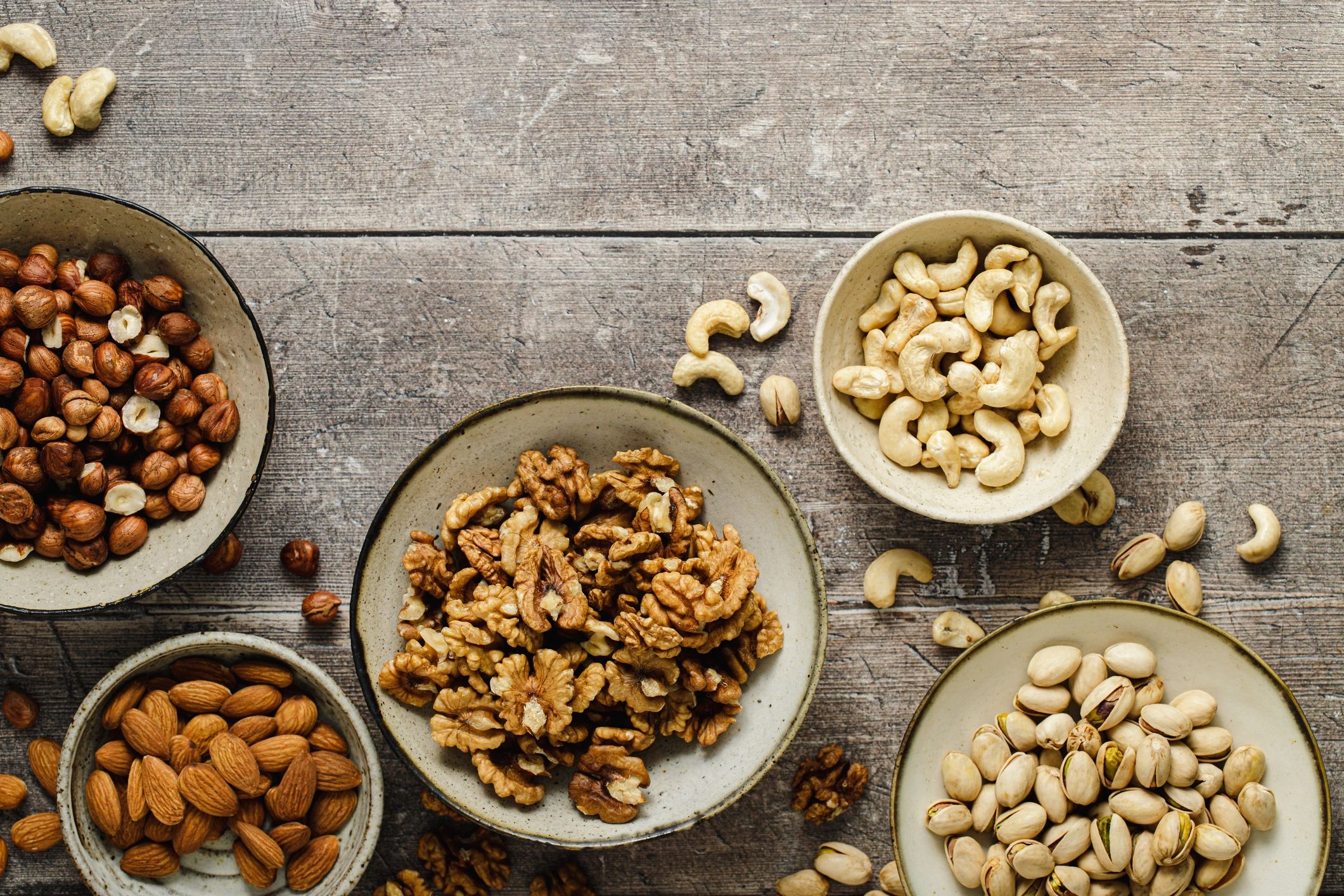
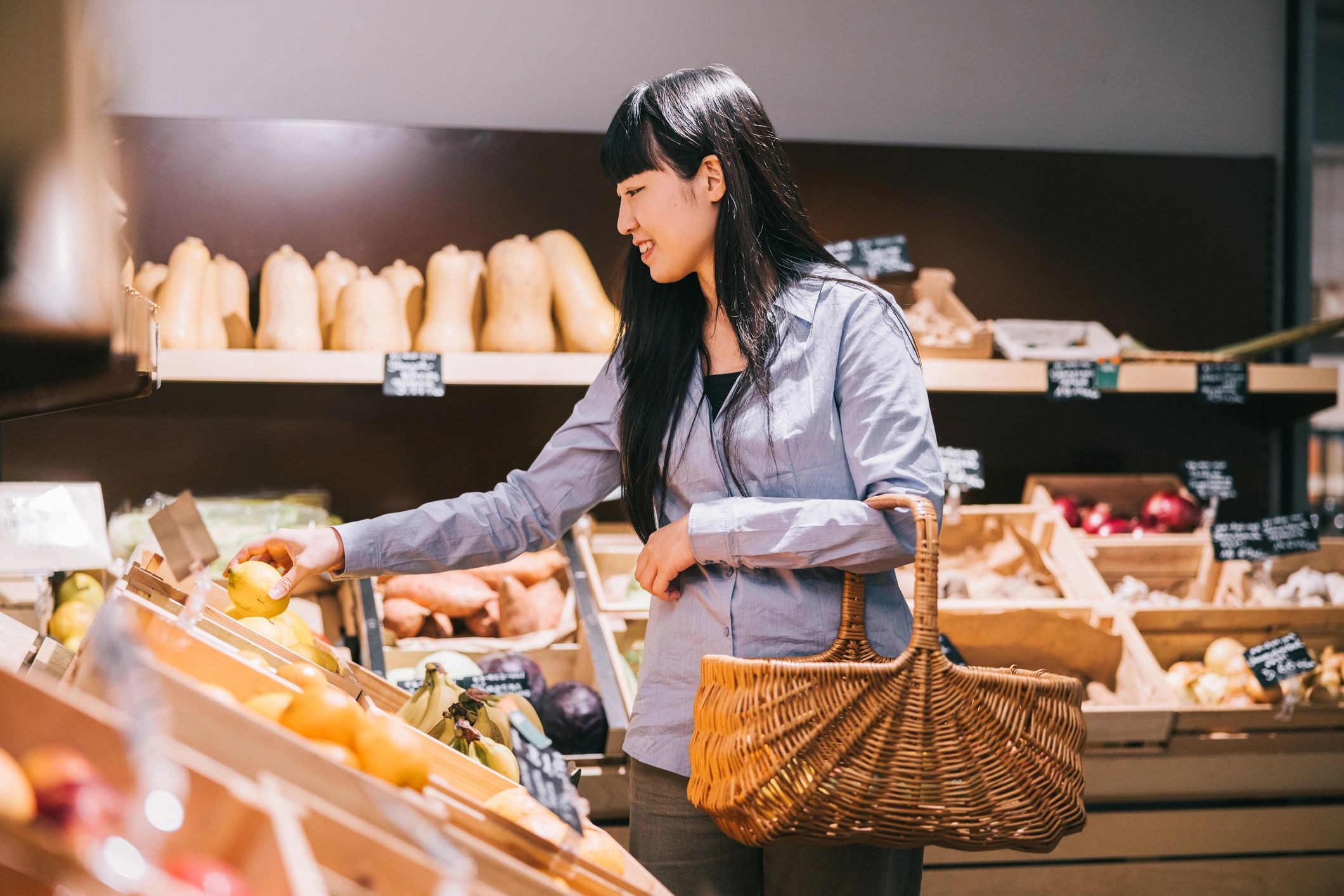
Healthy foods FAQ
Quick answers to common questions—use these as starting points, not medical advice.
What counts as “ultra-processed”?
Foods made mostly from refined ingredients, additives, and industrial processes (often with long ingredient lists). Think: many packaged snacks, sugary drinks, and “ready-to-eat” meals.
Do I need to avoid all packaged foods?
No. Aim for better packaged options (simple ingredients, higher protein/fiber, lower added sugar) and keep them as helpers—not the foundation of your diet.
Is organic always worth it?
Not always. If budget is tight, prioritize organic for the foods you eat most often, and focus on washing produce, choosing variety, and cooking at home more.
How do I build a balanced plate?
Start with a protein, add fiber-rich carbs (beans, whole grains, starchy veg), include colorful vegetables, and finish with a healthy fat (olive oil, avocado, nuts).
What if I’m trying to lose fat or gain muscle?
Keep meals consistent and protein-forward. Then adjust portions: slightly smaller for fat loss, slightly larger for muscle gain—while keeping food quality high.
How can I eat healthy on a budget?
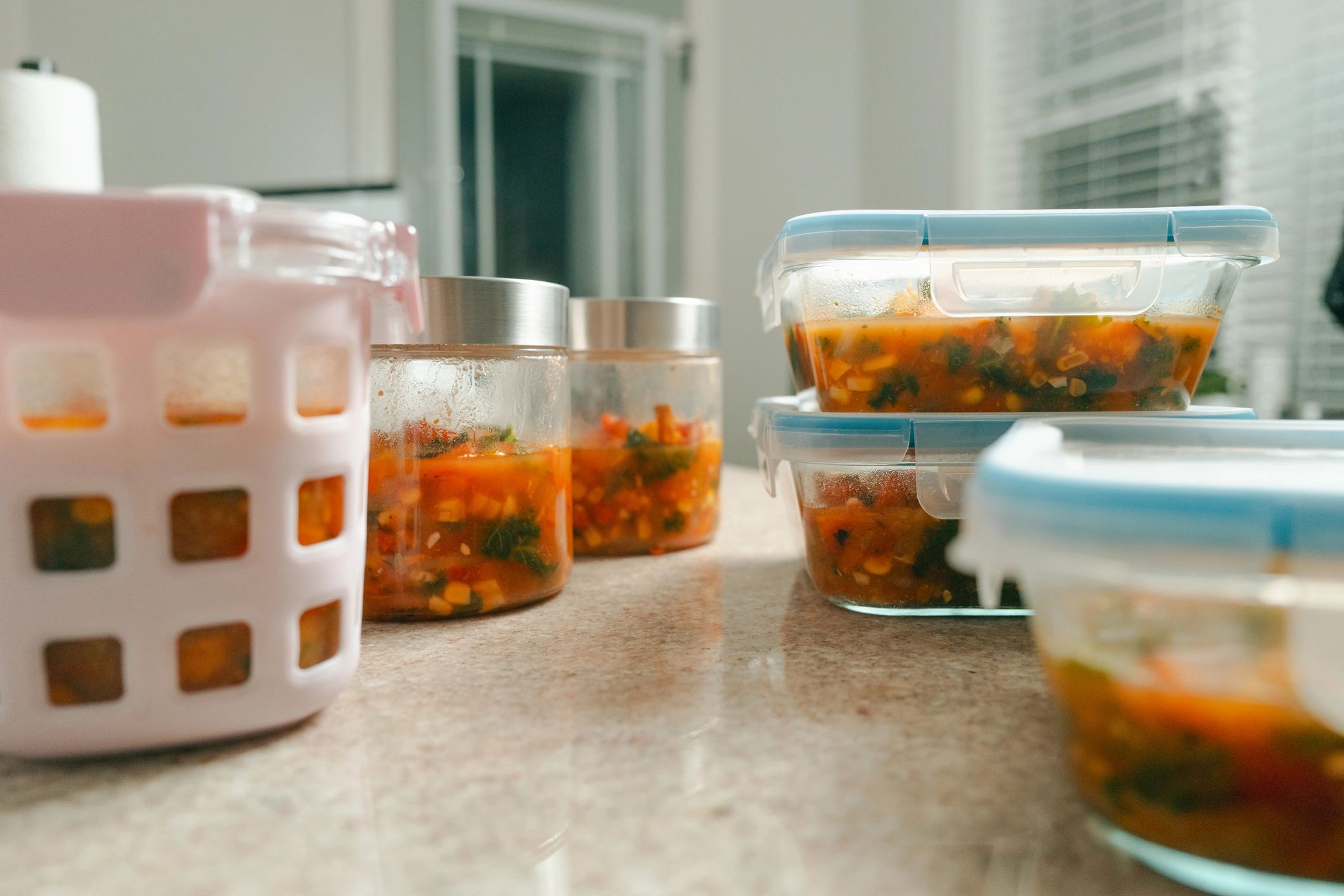
Use repeat staples (oats, rice, beans, frozen veg), buy seasonal produce, cook once and eat twice, and plan 2–3 flexible meals you can rotate.