Healthy Foods
Meal planning that fits real life
Build a simple weekly plan you can repeat, adjust, and afford. Use these steps to choose meals, shop with intention, and prep just enough to stay consistent.
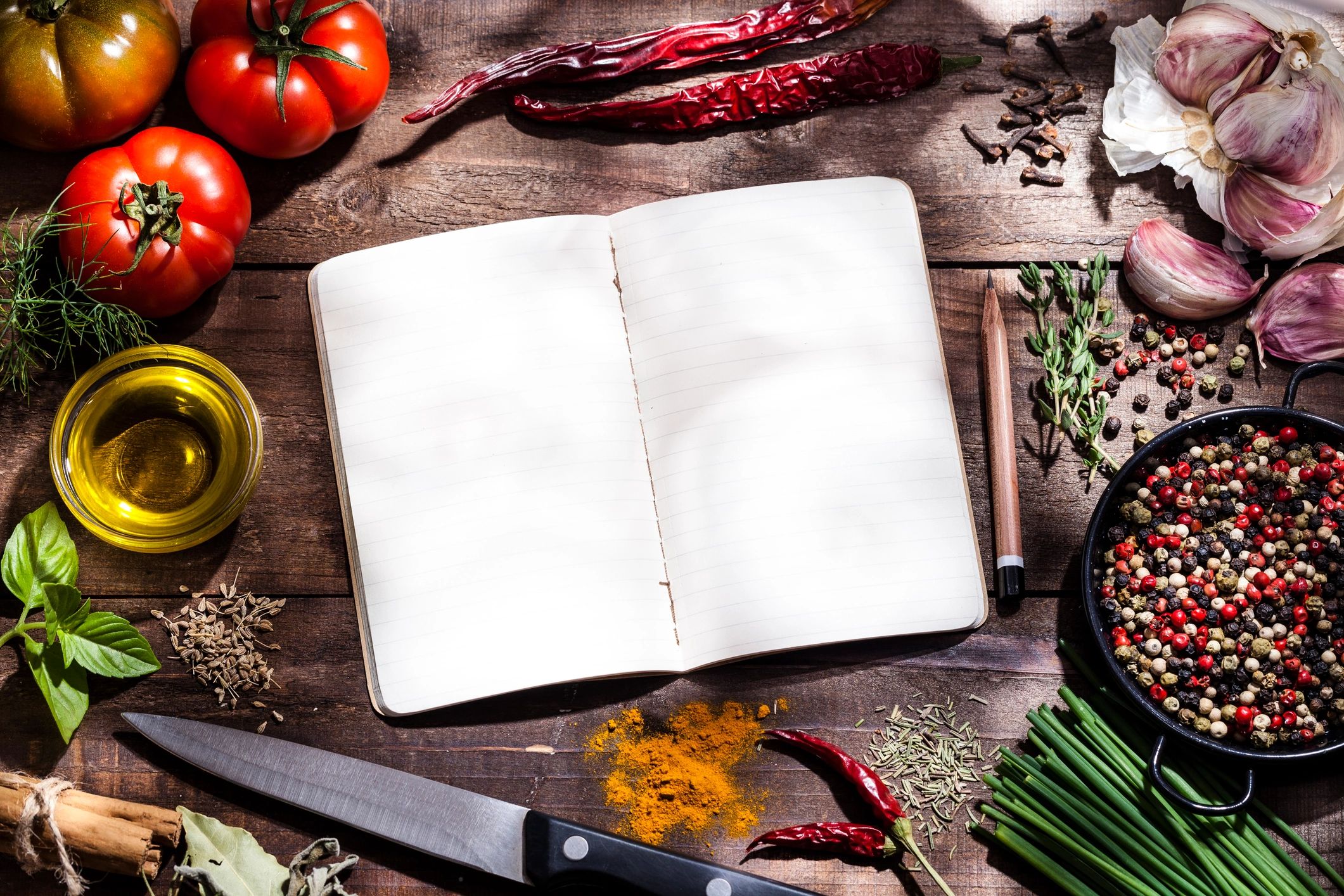
A 4-step weekly system
Keep it light: plan a few core meals, repeat ingredients, and leave room for flexibility.
01
Pick your goal + schedule
Choose a focus (fat loss, muscle gain, maintenance, or “power up”), then look at your week. Mark busy nights, workout days, and any meals you’ll eat out.
02
Build a simple menu
Select 2–3 breakfasts, 2–3 lunches, and 3–5 dinners you can rotate. Aim for overlapping ingredients (one protein, one grain/starch, 2–3 vegetables).
“The best plan is the one you can repeat. Start small, keep ingredients consistent, and improve one week at a time.”
03
Shop with a short list
Write your list from the menu (not cravings). Prioritize whole foods first, then add a few convenience items that support consistency.
04
Prep just enough
Batch-cook 1–2 proteins, wash/chop produce, and portion snacks. Leave some meals un-prepped so you don’t get bored.
What to plan for
Use these four anchors to make meals satisfying, balanced, and easier to budget.
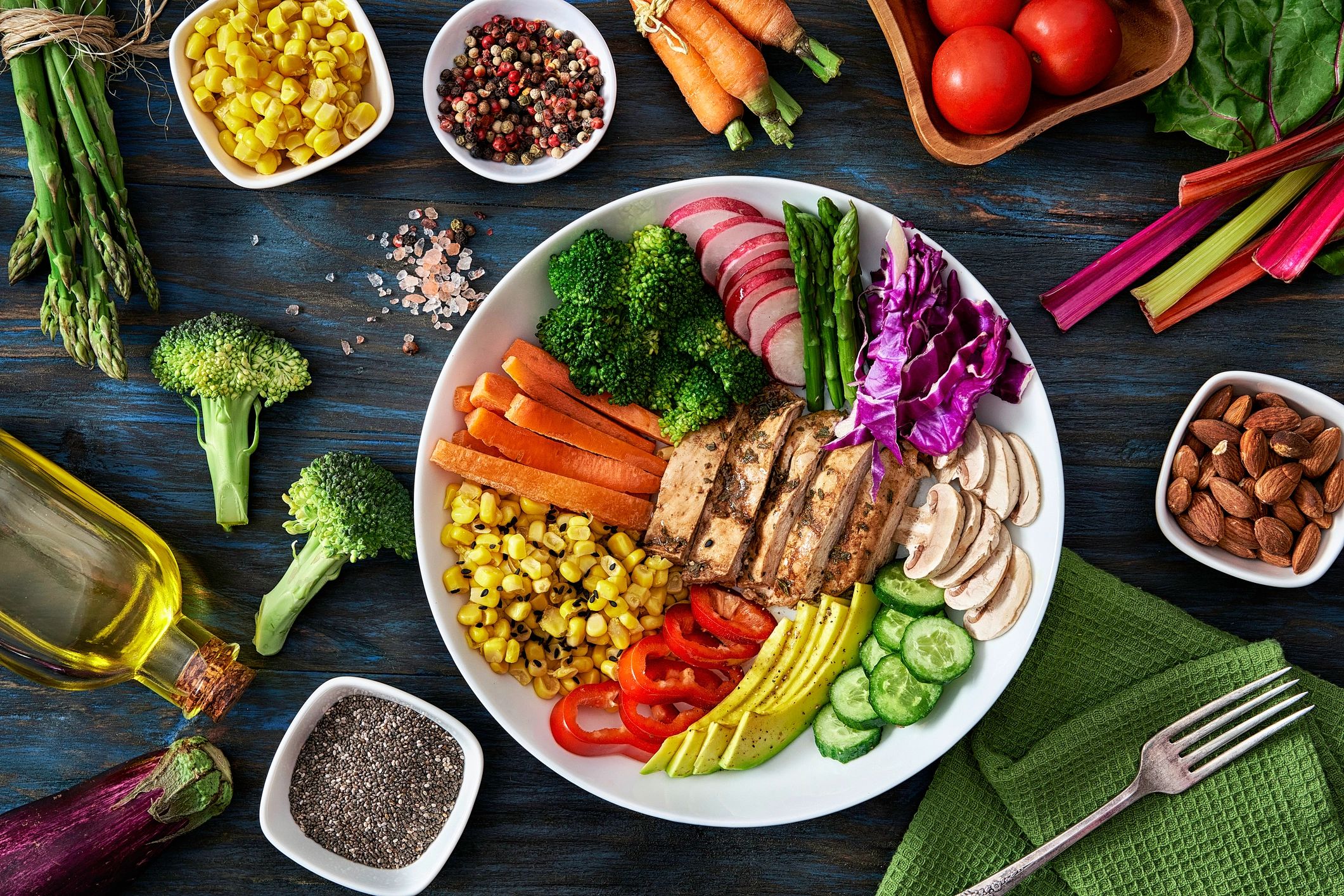
Protein first
Choose a main protein for each meal (chicken, eggs, beans, fish, tofu). It supports fullness and makes the rest of the plate easier.

Color + fiber
Add 2+ produce items daily. Fiber supports digestion and steadier energy—especially when meals are consistent.
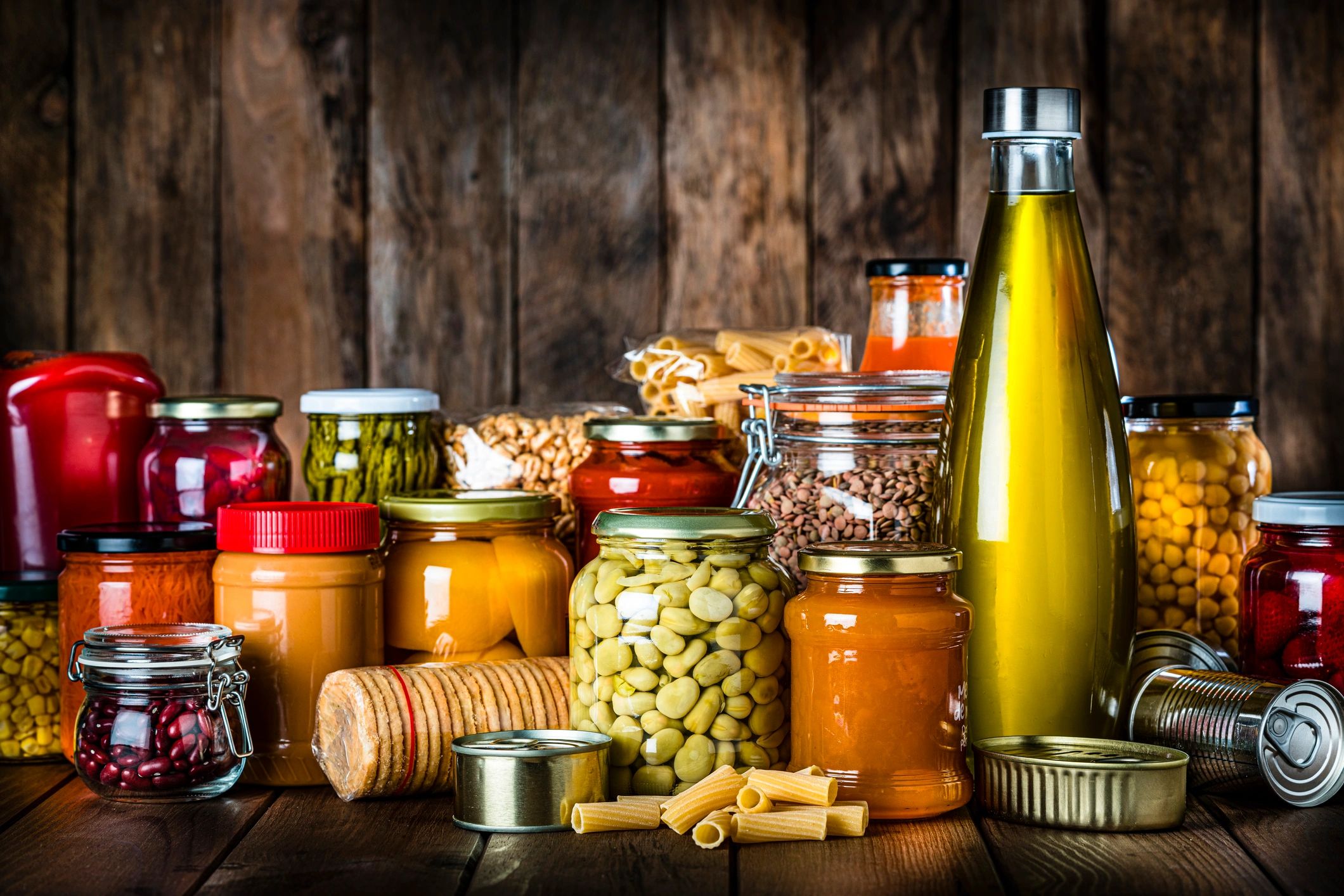
Smart carbs
Pick carbs you tolerate well (rice, potatoes, oats, fruit). Adjust portions based on activity and goals.
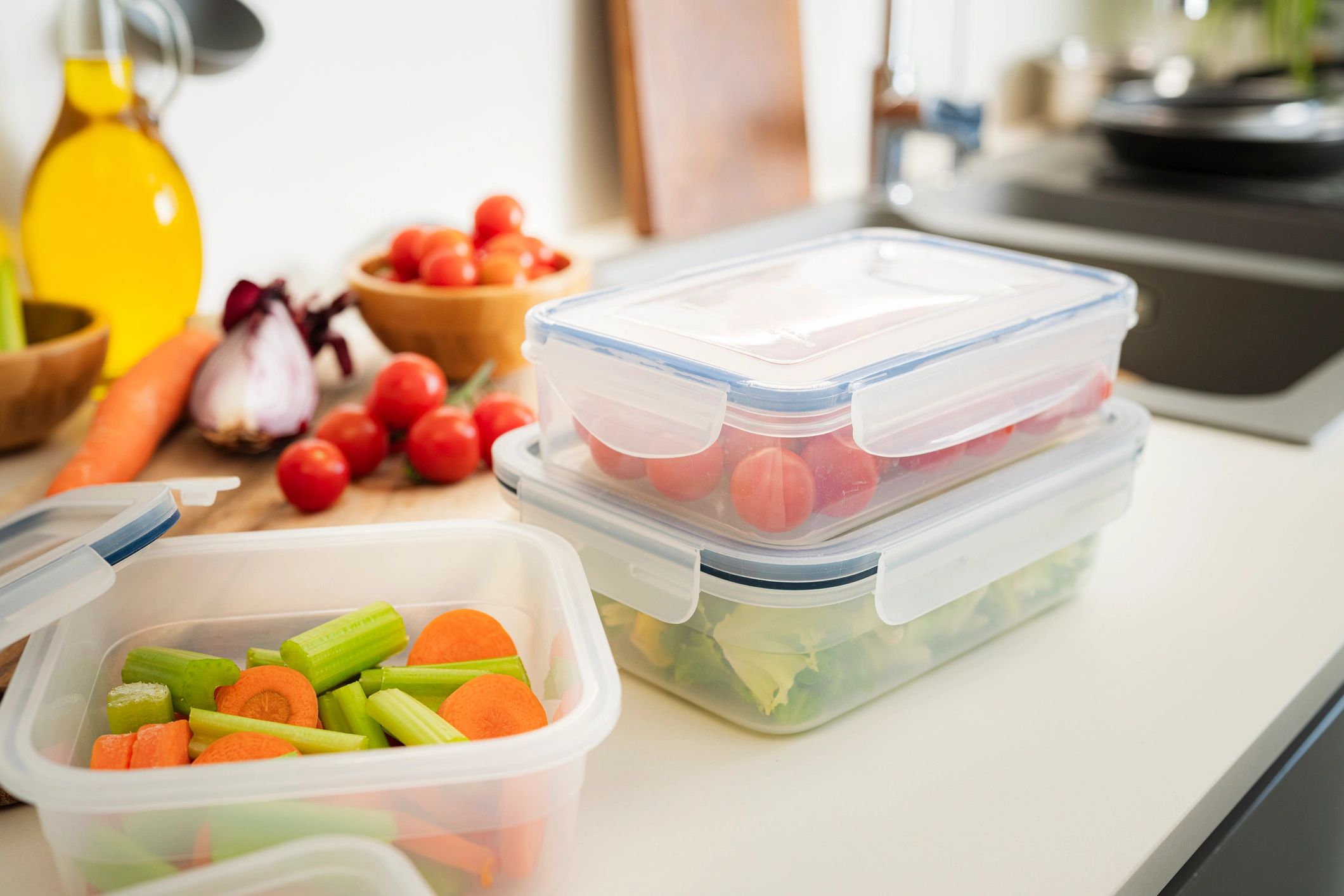
Flavor + fats
Use olive oil, avocado, nuts, herbs, and spices. Flavor keeps you consistent without relying on ultra-processed sauces.
Templates
Make it easier this week
Use these quick frameworks to plan faster and reduce decision fatigue.

Meal planning FAQ
Common questions that come up when you’re trying to plan healthier meals and stay on budget.
How many meals should I plan each week?
Start with dinners first (3–5), then add 2–3 repeatable breakfasts and lunches. Planning everything perfectly is less important than having reliable defaults.
What if I get bored of repeats?
Repeat the structure, not the exact recipe. Keep the same protein and swap seasonings, sauces, or sides (e.g., taco bowl → stir-fry → salad).
How do I plan for eating out?
Choose 1–3 meals out and plan around them. Keep the day’s other meals simple and protein-forward so you stay aligned with your goal.
How do I avoid food waste?
Plan overlapping ingredients and use a “use-first” list. Cook perishables early in the week and freeze extra portions for later.
How do I plan on a tight budget?
Choose lower-cost proteins (eggs, beans, canned fish), buy frozen produce, and build meals around staples like rice, oats, and potatoes.
Do I need to track macros?
Not necessarily. Start with consistent meal timing and the balanced plate method. If progress stalls, then consider tracking for a short period to learn portions.